
Season Watch
What Changes in November
The dry season gives way to green, and the wildlife follows the water.
As the first rains fall, the dry, dusty winter landscape comes alive as the first summer rains fall. Fresh grass sprouts along riverbanks, and the bush awakens.
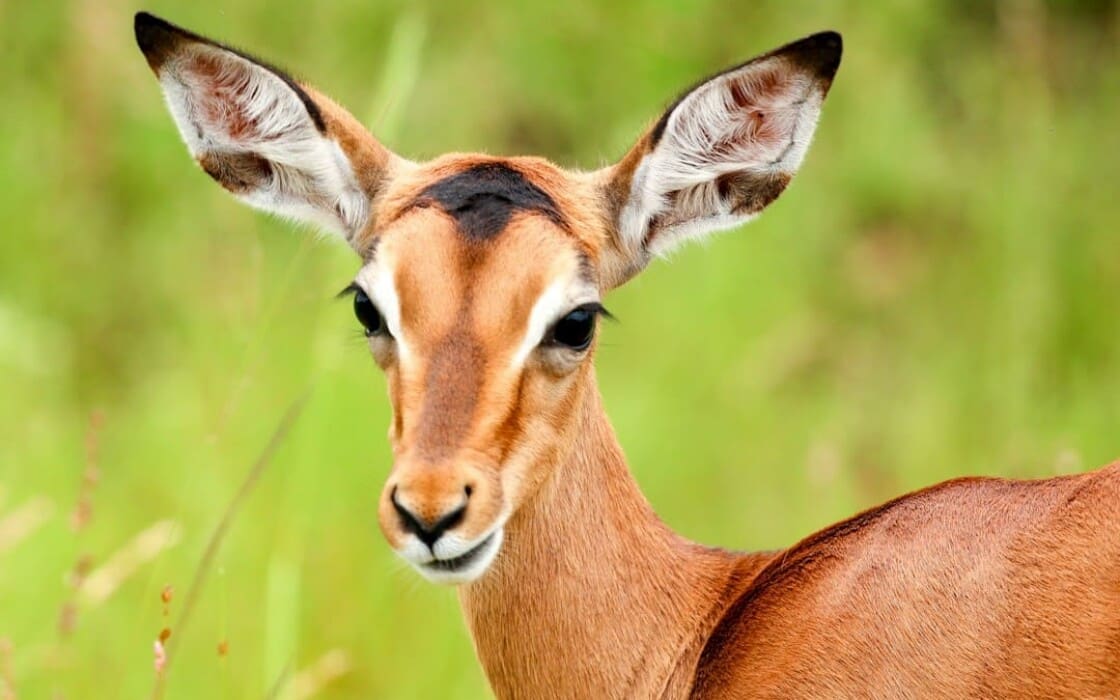
Wildlife sightings shift as animals disperse from drying waterholes. The big reward is seeing newborn animals across many species during this peak birthing period. To make the most of your trip, explore our curated list of things to do on a guided South African safari.
Visitor numbers run moderate to high in November. Travelers love the warm, early-summer weather, so booking your travel and accommodation ahead is essential. To learn more about regional heritage and park updates, read our feature on Kruger National Park wildlife history and centenary milestones.
GROUP TRAVEL
A Good Month for a Group Trip
Good weather, dramatic skies, and a window before the December rush.
November’s combination of good weather, dramatic afternoon storm skies and newborn wildlife makes it an appealing window for a group safari trip from Gauteng, before the December rush pushes prices and crowd levels up further. Transport services to and from the park takes the long drive out of the equation for a trip that’s really about the days inside the gates.
Birding Season
The Birds Arrive Too
November’s rains bring more than newborn mammals.
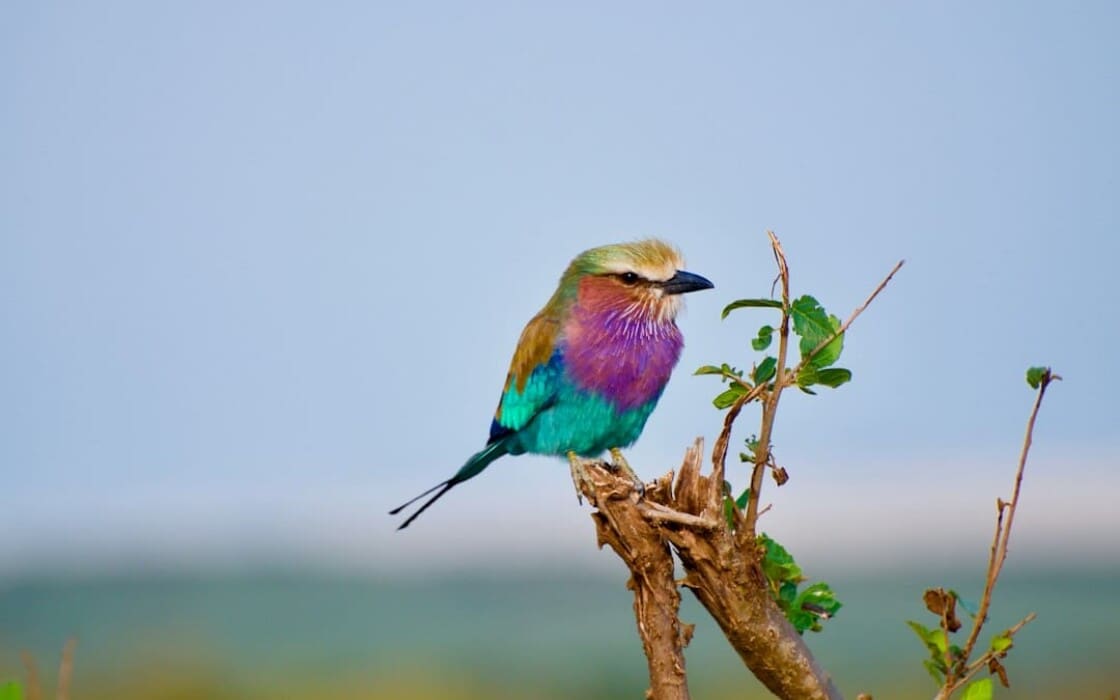
Mammals aren’t the only arrivals in November. The first migratory bird species of the season reach Kruger’s upper-central and far northern regions, drawn in by the new rains, making this one of the stronger months of the year for a dedicated birding safari alongside the usual game viewing. For a group with a mix of interests — photographers, birders and general wildlife-watchers — November covers more ground than most other months.
Health and Safety
What November’s Rain Means for Malaria Risk
The same rain that brings the baby animals also raises the malaria risk.
Kruger’s malaria risk is seasonal, and it tracks the rain: SANParks’ own guidance puts the highest-risk period from November through to April, as rising humidity favours mosquitoes. The risk is generally described as low even in summer, and all SANParks accommodation has netted screens, but it’s worth briefing a group properly before departure — covering up from dusk to dawn, using repellent, and discussing prophylactic options with a doctor beforehand. Anyone with an unexplained fever in the weeks after a Kruger trip should get tested rather than assume it’s something else.
Where to Go
The Southern Circuit Is the Place to Be
Fewer visitors than December, and the park’s densest wildlife concentration.
Kruger’s southern section, including the Skukuza, Lower Sabie, and Berg-en-Dal circuit—holds the highest animal concentration in the park. November visitor numbers stay well below the December rush because local schools are still in session.
This mix of quiet camps and dense game makes the southern loop ideal for a group safari. It is also where the park’s new camp restaurants are open, which is handy when your group moves between camps.
If you are planning your departure from the economic hub, you can find great travel ideas through the latest Gauteng spring tourism campaign and regional travel push. For travelers looking to explore alternative malaria-free destinations nearby, you can also read about new luxury accommodation options like the Tsholo Safari Lodge opening in the Pilanesberg’s Black Rhino Game Reserve.
Planning a November Group Trip to Kruger?
If you’re putting together a group safari before the December rush, we can arrange comfortable transport to and from Kruger so the trip starts the moment everyone’s picked up.
Get in touch to plan your November Kruger group trip.