
CENTENARY SPECIAL REPORT | 1926–2026
Kruger National Park Marks 100 Years, and Group Safari Demand Isn't Slowing Down
A century after its formal establishment, Kruger remains one of the continent’s biggest wildlife tourism draws, with nearly 2 million Visitors a year.
100 Years of Kruger: From Sabie Game Reserve to Africa’s Premier Park
This year marks 100 years since Kruger National Park was formally established on 31 May 1926, capping a history that began three decades earlier when the Sabie Game Reserve was proclaimed in 1898 under the advocacy of President Paul Kruger, after whom the park is named. Reflecting on this rich Kruger National Park history highlights how the reserve developed into one of Africa’s greatest conservation achievements. Commemorating this landmark Kruger Park anniversary gives tour groups and wildlife enthusiasts a compelling reason to plan a safari expedition during this milestone year. Marking Kruger National Park 100 years of heritage represents a momentous chapter for South African tourism and wildlife conservation.
A century on, Kruger spans 19,623 square kilometers across two provinces and is home to 147 mammal species, including the Big Five. Furthermore, as highlighted in our National Transport Month 2026 coverage, the park supports over 500 bird species and welcomes nearly two million visitors annually to the top 50 Greater Kruger safari lodges, generating over R800 million in tourism revenue.
PROTECTING KRUGER | LOOKING TO THE FUTURE
A century of conservation, and the pressures that come with it
The centenary is being framed as an opportunity to connect park staff, surrounding communities and visitors around the park’s history while looking ahead to the next century of conservation. This is a key focal point highlighted during World Tourism Month 2026. That framing matters because the milestone arrives alongside real pressures: shifting rainfall patterns and drying waterholes linked to climate change, ongoing poaching threats, and growing calls from neighbouring communities for a greater economic and cultural stake in how the park is managed.
None of that has dented visitor demand. Nearly 2 million people a year still make the trip, and Kruger remains the anchor of safari tourism in Gauteng’s travel ecosystem. This drives regional travel alongside the Gauteng spring tourism push to destinations like Pilanesberg and Sun City.
This isn't Kruger's first milestone year
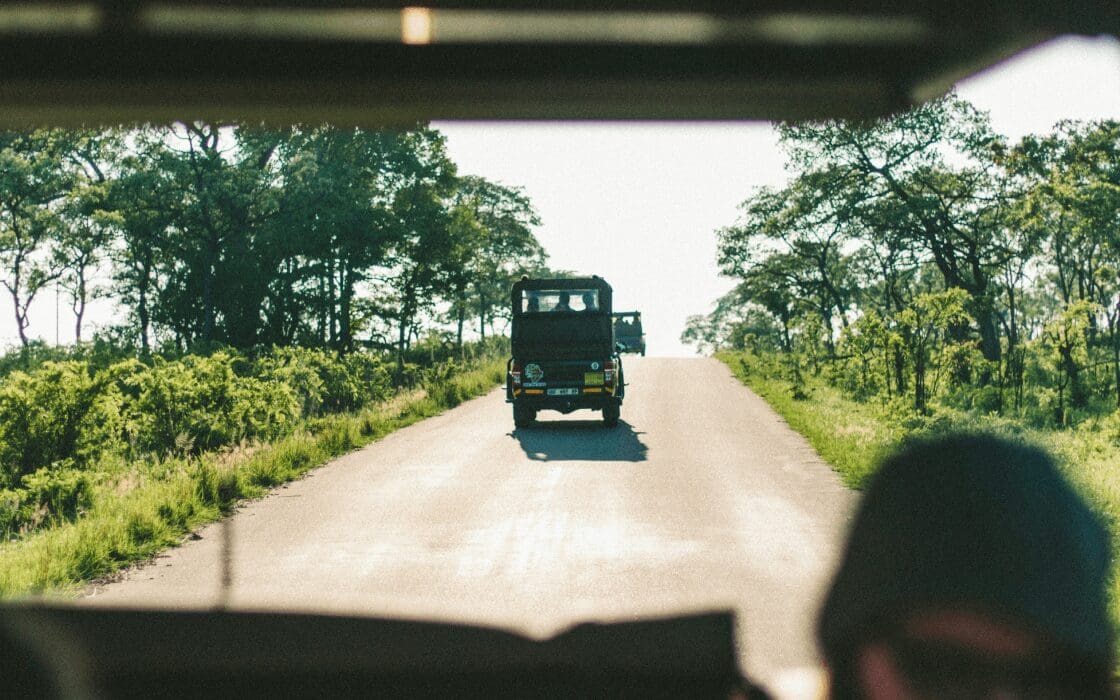
Kruger’s most recent round-number anniversary before this one was its 50th, in 1976. But a thorough search turned up no public record of a golden jubilee celebration that year. What 1976 is actually remembered for at the park is a very different kind of milestone. The fencing of Kruger’s roughly 150km eastern boundary with Mozambique, which cut off migration routes elephant, buffalo and other species had used for generations to move between the two countries in the dry season.
The park has spent much of the time since trying to partly undo that decision. In 2002, South Africa, Mozambique and Zimbabwe signed the treaty creating the Great Limpopo Transfrontier Park. This was marked by ceremonially cutting down a symbolic 20 metres of that same fence. Only around 57km of the original boundary has been dropped since, out of roughly 150km. Reopening Kruger’s borders to wildlife is still very much a work in progress a century into the park’s history.
Feeling nostalgic? You can access some old Kruger Park photos here.
What a centenary year means for group travel
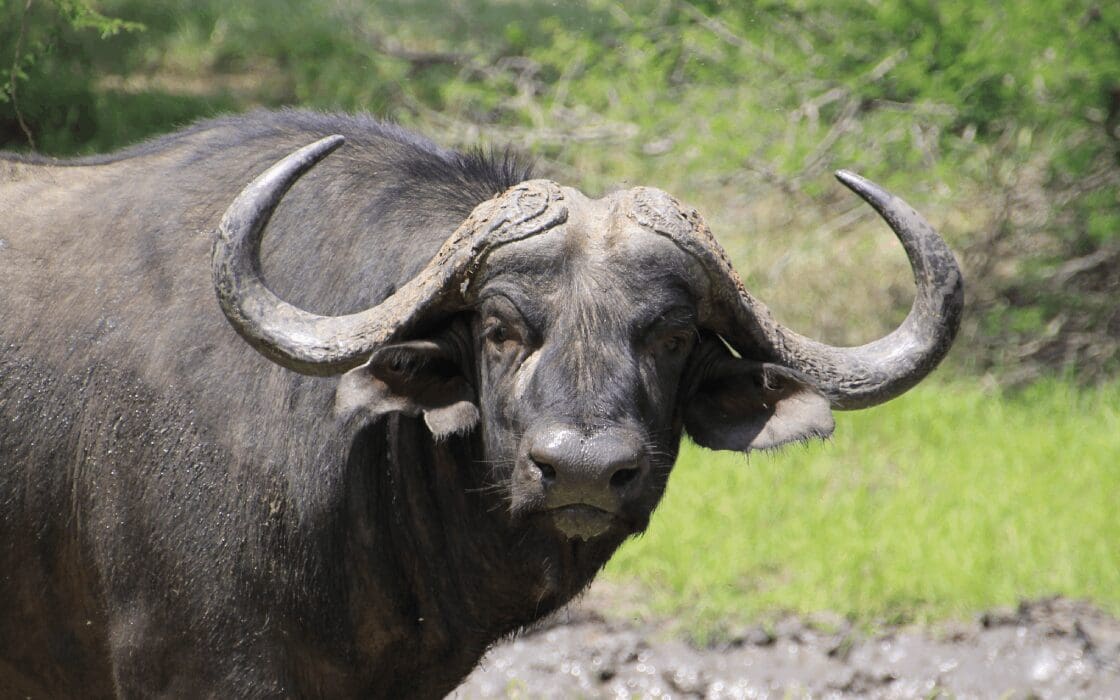
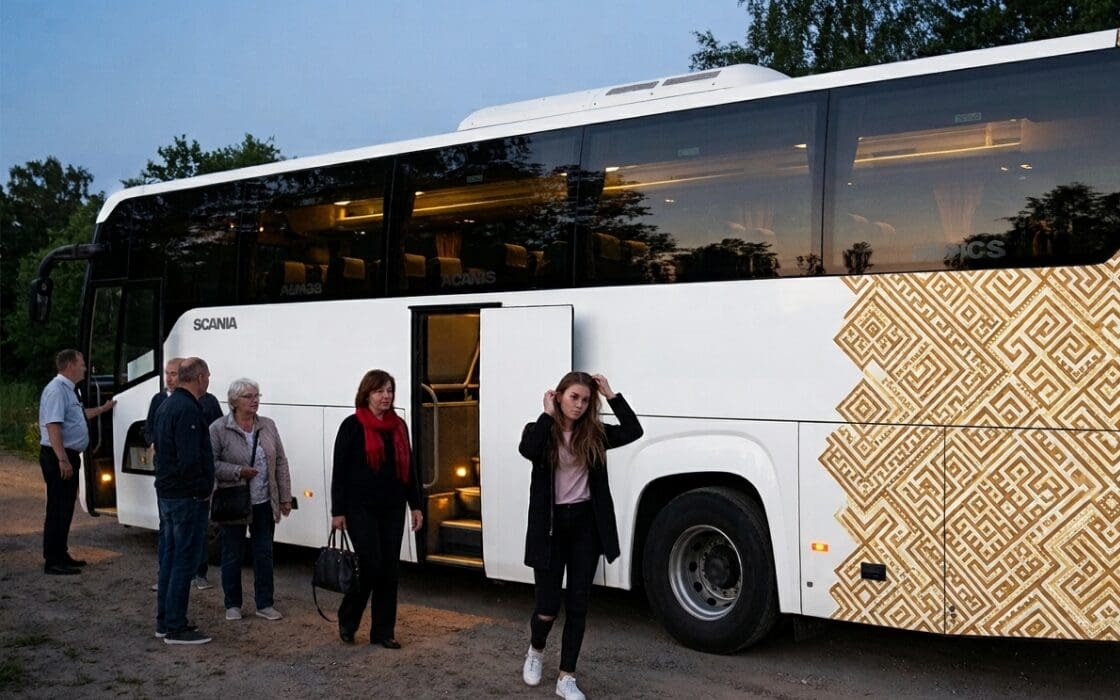
For tour operators, corporates planning incentive trips, and families organizing a reunion, a milestone year is a natural hook for a Kruger trip that might otherwise have been put off. It’s also a reminder of the logistics involved. Kruger sits roughly 4 to 5 hours by road from Johannesburg. which makes a coordinated group coach charter. Therefore, rather than several cars traveling separately, the more practical way to move a larger party, especially when the itinerary includes a stop along the Panorama Route on the way.
Planning around the centenary
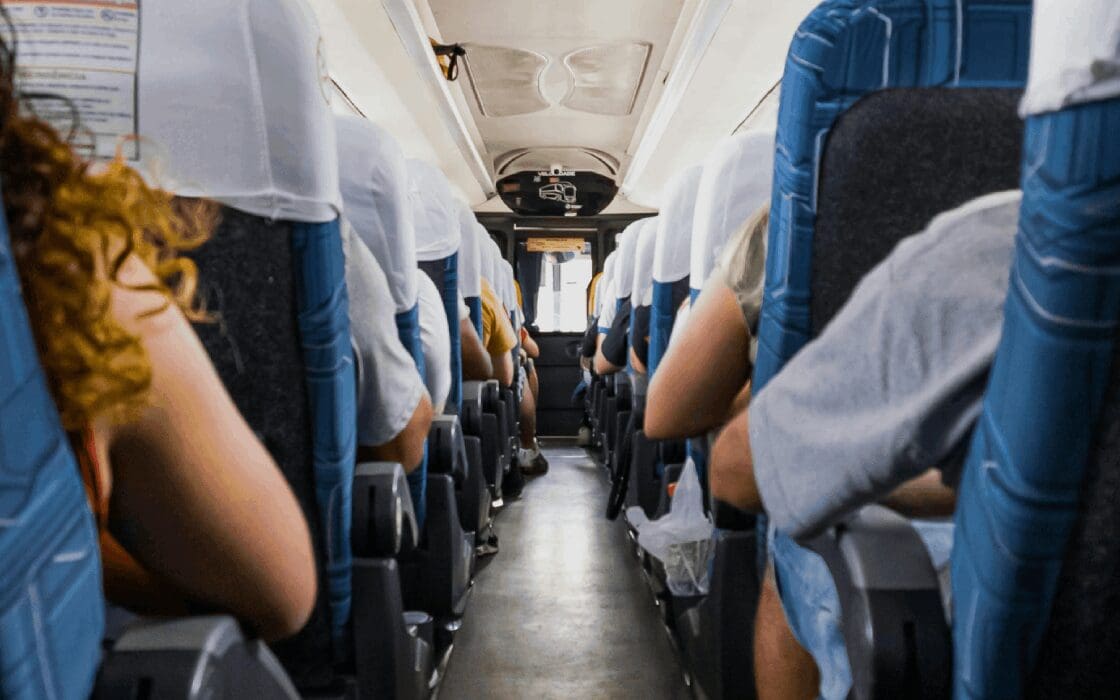
Specific centenary events at the park itself hadn’t been detailed publicly at the time of writing. But, the milestone is likely to draw extra interest across the year. From tour operators building centenary-themed itineraries to companies using it as a reason to finally book that long-discussed team trip. To explain, demand for a Kruger safari 2026 experience is expected to peak early. Booking early is the practical takeaway regardless of the occasion. Kruger-bound luxury coach and accommodation availability tightens fastest around school holidays and long weekends. Read our coach charter helpful tips to streamline your Group’s departure schedule, baggage allocation, and route planning. If you are pairing a safari retreat with a major convention, explore our full breakdown of Group transport for the Johannesburg conference season 2026.
Planning a group trip to Kruger this year?
Whether it’s a multi-day safari charter with a Panorama Route stop or a corporate incentive trip timed to the centenary, we can put together a coach itinerary and quote for the full journey from Johannesburg. Explore our full range of luxury transport services to plan your long-distance route logistics. You can also view the comfortable executive coach fleet to select the ideal seating capacity for your group.
Request a custom quote today!